Sichuan Giant Panda Sanctuaries - Wolong, Mt Siguniang and Jiajin Mountains
Sichuan Giant Panda Sanctuaries - Wolong, Mt Siguniang and Jiajin Mountains
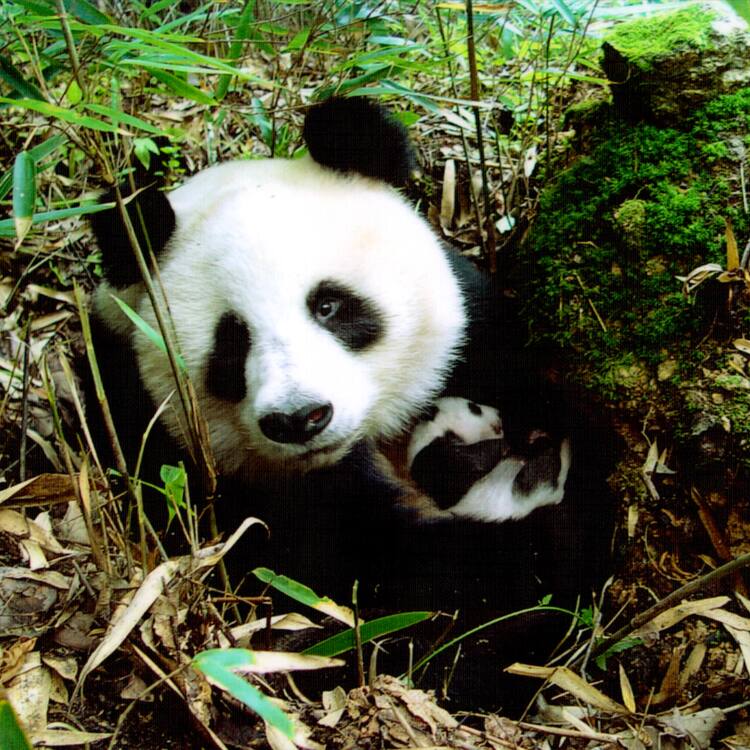
Sichuan Giant Panda Sanctuaries, home to more than 30% of the world's pandas which are classed as highly endangered, covers 924,500 ha with seven nature reserves and nine scenic parks in the Qionglai and Jiajin Mountains. The sanctuaries constitute the largest remaining contiguous habitat of the giant panda, a relict from the paleo-tropic forests of the Tertiary Era. It is also the species' most important site for captive breeding. The sanctuaries are home to other globally endangered animals such as the red panda, the snow leopard and clouded leopard. They are among the botanically richest sites of any region in the world outside the tropical rainforests, with between 5,000 and 6,000 species of flora in over 1,000 genera.
Description is available under license CC-BY-SA IGO 3.0
Sanctuaires du grand panda du Sichuan - Wolong, Mont Siguniang et Montagnes de Jiajin
Les Sanctuaires du grand panda du Sichuan abritent plus de 30 % de la totalité mondiale de pandas géants en voie d’extinction, s’étendent sur 924 500 ha et comprennent sept réserves naturelles et neuf parcs paysagers dans les montagnes Qionglai et Jiajin. Les sanctuaires constituent aujourd’hui la plus grande zone contiguë d’habitat de ce panda - une relique des forêts paléotropiques de l’ère tertiaire. C’est aussi la plus importante source de grands pandas pour l’établissement de populations de l’espèce en captivité. De plus, les sanctuaires abritent un certain nombre d’espèces en danger à l’échelle mondiale comme le petit panda, la panthère des neiges et la panthère nébuleuse. Sur le plan botanique, il s’agit de l’un des sites les plus riches du monde, en dehors des forêts tropicales ombrophiles, avec sa flore qui compte entre 5 000 et 6 000 espèces appartenant à plus de 1 000 genres.
Description is available under license CC-BY-SA IGO 3.0
محميّات دب باندا سيشوان العملاق
تأوي محميّات دب باندا سيشوان العملاق أكثر من30% من مجموع حيوانات الباندا العملاقة في العالم وهي تتعرض لخطر الانقراض وتمتد على مساحة 924500 هكتار وتضمّ سبع محميّات طبيعيّة وتسع منتزهات في جبال كيونغلاي وجياجين. وتشكّل هذه الأماكن المقدّسة اليوم المنطقة المتلاصقة السكنيّة الأكبر لهذا الباندا وهي بقايا غابات ترقى إلى الحقبة الثالثة. كما أنّها أهمّ مصادر حيوانات الباندا العملاقة وترمي إلى إقامة مجموعات سكنيّة من هذا الصنف من الحيوانات الموضوع في الأسر. كما تضمّ المحميّات عدداً من الأصناف المهددة بالانقراض على المستوى العالمي مثل الباندا الصغير، وفهد الثلوج، والفهد الأبيض. وعلى مستوى النباتي، يعتبر هذا الموقع من أكثر مواقع العالم ثروةً إذا استثنينا الغابات الاستوائية المطرية التي تتنوّع أصناف نباتاتها لتضمّ5000 إلى 6000 صنف ينتمي إلى أكثر من 1000 جنس.
البندا البري في الصين رسالة اليونسكو (2006)
source: UNESCO/CPE
Description is available under license CC-BY-SA IGO 3.0
四川大熊猫栖息地
四川大熊猫栖息地面积924 500平方公里,目前全世界30%以上的濒危野生大熊猫都生活在那里,包括邛崃山和夹金山的七个自然保护区和九个景区,是全球最大、最完整的大熊猫栖息地,为第三纪原始热带森林遗迹,也是最重要的圈养大熊猫繁殖地。这里也是小熊猫、雪豹及云豹等全球严重濒危动物的栖息地。栖息地还是世界上除热带雨林以外植物种类最丰富的地区之一,生长着属于1000多个属种的5000到6000种植物。
source: UNESCO/CPE
Description is available under license CC-BY-SA IGO 3.0
Резерваты гигантской панды в провинции Сычуань
На территории 7 резерватов и 9 пейзажных парков, общей площадью 924 500 га, расположенных в горах Цюнлай и Цзяцзинь, сохраняется более трети мировой популяции гигантской панды – вида, признанного редчайшим на глобальном уровне. Эти резерваты и парки, взятые вместе, формируют самое обширное и целостное убежище данного вида, представляющее собой уцелевший фрагмент палеотропических лесов третичной эпохи. Эти места наиболее пригодны для размножения гигантской панды. Здесь также встречаются другие глобально редкие виды – малая (или красная) панда, снежный барс и дымчатый леопард. Отмечено исключительно высокое флористическое богатство, одно из самых значительных в мире (вне зоны распространения влажнотропических лесов): порядка 5-6 тыс. видов растений, принадлежащих более чем 1 тыс. родов.
source: UNESCO/CPE
Description is available under license CC-BY-SA IGO 3.0
Santuarios del panda gigante de Sichuan
Los santuarios del panda gigante de Sichuan albergan mí¡s del 30% de la población mundial de pandas gigantes, una especie en peligro de extinción. Se extienden por superficie de 924.500 hectáreas y comprenden siete reservas naturales y nueve parques paisajísticos, situados en las cadenas montañosas de Qionglai y Jiajin. Constituyen la mayor zona contigua de hí¡bitat de esta especie, que es una reliquia de la fauna paleotropical de la Era Terciaria. Asimismo, son el vivero mí¡s importante de pandas gigantes para crear poblaciones en cautividad de esta especie amenazada. Los santuarios albergan también algunas especies en peligro de desaparición a nivel mundial, como el panda enano, el leopardo de las nieves y la pantera nebulosa. En lo que respecta a la flora, esta región es uno de los sitios de mayor riqueza botí¡nica del mundo, si se exceptúan los bosques tropicales lluviosos, ya que el número de sus especies vegetales oscila entre 5.000 y 6.000, pertenecientes a mí¡s de 1.000 géneros.
source: UNESCO/CPE
Description is available under license CC-BY-SA IGO 3.0
四川ジャイアントパンダ保護区群
source: NFUAJ
Sichuan reuzenpandareservaten - Wolong, berg Siguniang en de Jiajin bergen
Source: unesco.nl


Outstanding Universal Value
Brief synthesis
Sichuan Giant Panda Sanctuaries - Wolong, Mt Siguniang and Jiajin Mountains is principally renowned for its importance for the conservation of the giant panda, recognized as a “National Treasure” in China and as a flagship for global conservation efforts. The property is the largest and most significant remaining contiguous area of panda habitat in China and thus the world. It is also the most important source of giant panda for establishing the captive breeding population of the species.
In addition to the giant panda, the property features a great number of endemic and threatened species of plants and animals, including other iconic mammal species such as the red panda, snow leopard and clouded leopard among the 109 species of mammals recorded (more than 20% of all Chinese mammals). The property is an important centre of endemism for some bird taxa with 365 bird species recorded, 300 of which breed locally. However the property is particularly important for flora, being one of the botanically richest sites of any temperate region in the world with some 5,000 – 6,000 species recorded. Many species are relicts, such as the dove tree, and there is significant diversity in groups such as magnolias, bamboos, rhododendrons, and orchids. The property is a major source and gene pool for hundreds of traditional medicinal plants, many now under threat.
Located in China’s southeast province of Sichuan in the Qionglai and Jiajin Mountains between the Chengdu Plateau and the Qinghai-Tibetan Plateau, the property includes seven nature reserves and eleven scenic parks in four prefectures or cities. It covers a total area of 924,500 ha surrounded by a buffer zone of 527,100 ha.
Criteria (x): The Sichuan Giant Panda Sanctuary includes more than 30% of the world’s population of giant Panda and constitutes the largest and most significant remaining contiguous area of panda habitat in the world. It is the most important source of giant panda for establishing the captive breeding population of the species. The property is also one of the botanically richest sites of any temperate region in the world or indeed anywhere outside of the tropical rain forests. Underlining the outstanding value is that it protects a wide variety of topography, geology, and plant and animal species. The property has exceptional value for biodiversity conservation and can demonstrate how ecosystem management systems can work across the borders of national and provincial protected areas.
Integrity
The boundaries of the property have been designed to maximize the protection of giant panda habitat based on panda survey data carried out in 2003-2004, as well as the distribution of existing natural habitat. Fragmentation of habitat makes it essential that large intact areas of panda habitat are adequately protected and also that green corridors are established to enable movement of panda species and to avoid inbreeding. A number of towns, villages, agriculture land, major infrastructures and sites of high impact tourism have been excluded from the property, leaving enclaves.
Integrity issues include the need to enhance integrated monitoring and management capacity across all 18 management units of the property; establish and implement tourism management plans and tourism impact monitoring programmes; review existing infrastructure within the property with a view to better controlling impacts and, where possible, to remove infrastructure and allow habitat restoration with native species; ensure the "Sichuan World Heritage Management Committee" has sufficient powers, resources and authority to ensure it can effectively carry out its role in relation to management of the property; and to closely monitor the impact of the dam at Yaoji, and the associated relocation of people. Reviewing the possibilities for future addition of areas of high nature conservation value to the property, with priority on those areas which are particularly important for panda habitat and which are close to but outside the property (such as the Rongjin Nature Reserve which is as a critical link between the giant panda populations of Quionglaishan and Liangshan), is also recommended.
Protection and management requirements
The Property is wholly owned by the government of the People’s Republic of China. It is protected under a range of laws and regulations at national and provincial levels, including: Regulations on Wild Plant Protection of the People 's Republic of China (1997): Forest Law of the People 's Republic of China (1998); Environmental Protection Law of the People's Republic of China (2002), Regulations of the People's Republic of China on Nature Reserves (2002); Cultural Heritage Protection Law of the People's Republic of China (2002); Law of the People's Republic of China on Wildlife Protection (2004); Scenic Areas Ordinance of the State Council of the People's Republic of China (2006); Regulations on the Management of Nature Reserves of Sichuan Province (2000); and Regulations on the Management of Scenic and Historic Areas of Sichuan Province (2010). Regulations on the Protection of World Heritage of Sichuan Province was issued in 2002, which is the legal basis for direct management of all the World Heritage properties in the province and is a very important measure for the protection of the property.
A management plan of 2002 aims to ensure that “The biodiversity, ecosystem and habitat of the giant panda will be effectively protected in the World Heritage site and social and economic development of the human population in the area will be harmonized with the natural environment guidelines for the area and for management of different types of use”. It provides a sound framework for site management and conservation.
The property has three levels of management: the Sichuan Provincial World Heritage Management Committee, the relevant Prefecture or City World Heritage Management Office, and the local site management agencies. Sichuan World Heritage Management Committee and Sichuan World Heritage Experts Committee have been formed under the Provincial Government to achieve coordination, and to improve authoritative and scientific management effectively.
The property is currently well-protected and in good condition. Following the 2008 Sichuan Earthquake which measured 8.0 on the Richter scale, a restoration and reconstruction plan for the property has been compiled and implemented. Future management priorities include to progressively increase the level of staffing and resources within all reserves within the property; improve the coordination relationship between all reserves within the property; better support scientific research and education; and maximize the tourism benefit and minimize the tourism impact.
Links
 View photos from OUR PLACE the World Heritage collection
 5
5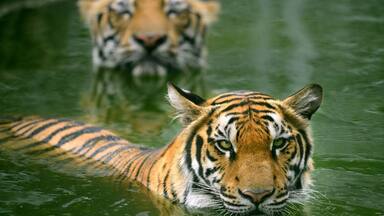



The Nomination files produced by the States Parties are published by the World Heritage Centre at its website and/or in working documents in order to ensure transparency, access to information and to facilitate the preparations of comparative analysis by other nominating States Parties.
The sole responsibility for the content of each Nomination file lies with the State Party concerned. The publication of the Nomination file, including the maps and names, does not imply the expression of any opinion whatsoever of the World Heritage Committee or of the Secretariat of UNESCO concerning the history or legal status of any country, territory, city or area or of its boundaries.
Protections
by other conservation instruments
2 protections / 2 elements
1972 World Heritage Convention (1 element)Biosphere Reserves (1 element)