jump to the content

Yakushima

NHK World Heritage 100 Series (en anglais)

Texte narratif (en anglais)

Clouds formed by the black current rise, covering the 2000 meter high mountain. The Yakushima Mountains rise up out of the water and are known as "The Alps on the sea". Yakushima was formed around 14 million years ago when granite base-rock was elevated by seismic activity. Hard and solid granite rocks weather slowly and only produce a small amount of soil. It is a poor environment for growing plants. Annual rainfall can reach 4500mm a year.

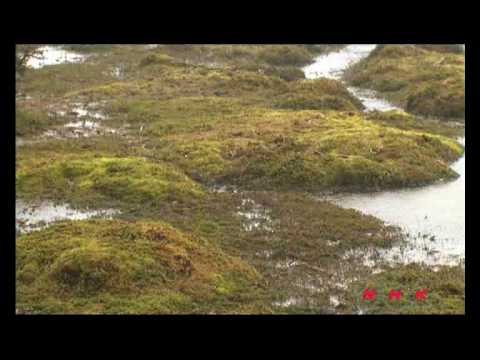
This is "Hananoego" the southernmost marsh in Japan. Sponge-like peat moss absorbs rainwater creating a natural reservoir. Both subtropical and arctic plant species can be found here. A thin layer of soil covers the rock surface. Trees survive by clinging to the rocks. Yakushima is the southernmost point where wild Japanese cedars grow. On the island, Japanese cedar under than 1000 years old are called "Ko-sugi" and the ones older than that are called "Yaku-sugi". Large Japanese cedars have individual names. This one is called Kigen-sugi. It is thought to be 3000 years old. This one Jomon-sugi is said to be 7200 years old. The root of Yaku-sugi is covered in thick moss which is an indispensable part of the island ecosystem. It also prevents the tree roots from drying up and protects against soil erosion.

There are numerous plant species from the high mountain slopes down to the coastal areas. Rhododendron yakushimanum is one plant species which has adapted to the island’s diverse climatic conditions. It lives in both exposed mountainous and covered forest areas. Rainwater from the black current falls onto the mountains and gives life to all living things during its journey back to the ocean.