Îles atlantiques brésiliennes : les Réserves de Fernando de Noronha et de l'atol das Rocas
Brazilian Atlantic Islands: Fernando de Noronha and Atol das Rocas Reserves
Peaks of the Southern Atlantic submarine ridge form the Fernando de Noronha Archipelago and Rocas Atoll off the coast of Brazil. They represent a large proportion of the island surface of the South Atlantic and their rich waters are extremely important for the breeding and feeding of tuna, shark, turtle and marine mammals. The islands are home to the largest concentration of tropical seabirds in the Western Atlantic. Baia de Golfinhos has an exceptional population of resident dolphin and at low tide the Rocas Atoll provides a spectacular seascape of lagoons and tidal pools teeming with fish.
La description est disponible sous licence CC-BY-SA IGO 3.0
Îles atlantiques brésiliennes : les Réserves de Fernando de Noronha et de l'atol das Rocas
Les sommets de la dorsale sous-marine de l’Atlantique Sud forment l’archipel de Fernando de Noronha et l’atoll das Rocas, au large des côtes brésiliennes. Ils représentent une grande partie de la superficie insulaire de l’Atlantique Sud et leurs eaux fécondes constituent des lieux de reproduction et de subsistance extrêmement importants pour les thons, requins, tortues et mammifères marins. Ces îles abritent la plus grande concentration d’oiseaux marins tropicaux de l’océan Atlantique Ouest. La baie de Golfinhos accueille une population exceptionnelle de dauphins résidents et, à marée basse, l’atoll das Rocas offre un paysage spectaculaire de lagons et de bassins de marée grouillants de poissons.
La description est disponible sous licence CC-BY-SA IGO 3.0
الجزر الأطلسية البرازيلية: محميّات فرناندو دو نورونيا وجزيرة داس روكاس المرجانية
يتألف أرخبيل فرناندو دو نورونيا وجزيرة داس روكاس المرجانية، قبالة السواحل البرازيلية، من قمم المرتفعات المغمورة بالمياه في المحيط الأطلسي الجنوبي. ويشكّل هذان الموقعان قسماً كبيراً من المساحة الجزرية في المحيط الأطلسي الجنوبي وتمثّل مياههما الغنية أماكن مؤائية لتكاثر وبقاء أسماك التنّة والقروش والسلاحف والثديات البحرية. كما تأوي هذه الجزر أكبر تجمع لأسراب الطيور البحرية الإستوائية في المحيط الأطلسي الغربي. أمّا خليج غولفينيوس، فهو مرتع لفصيلة إستثنائية من الدلافين المستوطنة وفي أقصى الجَزَر، تقدّم جزيرة داس روكاس المرجانية منظراً طبيعياً خلاباً مؤلفاً من البحيرات المرجانية وأحواض برك المد والجزر التي تعجّ بالأسماك.
source: UNESCO/CPE
La description est disponible sous licence CC-BY-SA IGO 3.0
巴西大西洋群岛:费尔南多-迪诺罗尼亚群岛和罗卡斯岛保护区
南大西洋露出海面的海底山脉形成了费尔南多-迪诺罗尼亚群岛和巴西沿海的罗卡环形礁。这个区域包括了南大西洋大部分岛屿,对于鲔鱼、鲨鱼、海龟和海洋哺乳动物的生长和繁衍具有重要意义。巴西大西洋群岛也是西大西洋上热带海鸟最集中的地方。在拜亚海区生活有大量海豚,在落潮期,罗卡环形礁给游客展示出一幅怡人的海岸美景,泻湖和潮水坑星罗棋布,里面还有各种鱼类。
source: UNESCO/CPE
La description est disponible sous licence CC-BY-SA IGO 3.0
Бразильские острова в Атлантике: Фернанду-ди-Норонья и атолл Рокас
Архипелаг Фернанду-ди-Норонья и атолл Рокас, которые представляют собой выходящие на поверхность океана вершины подводного Южно-Атлантического хребта, лежат у восточных берегов Бразилии. Эти острова – одни из крупнейших в этом районе Атлантики, а их прибрежные воды отличаются высокой биопродуктивностью и играют исключительную роль в качестве мест обитания и размножения тунца, акул, морских черепах и морских млекопитающих. На островах отмечены самые крупные в Западной Атлантике скопления морских тропических птиц; также здесь сложилась большая местная популяция дельфинов. Во время отливов на атолле Рокас можно наблюдать впечатляющую картину: обмелевшие лагуны, кишащие рыбой.
source: UNESCO/CPE
La description est disponible sous licence CC-BY-SA IGO 3.0
Islas atlánticas brasileñas – Reservas de Fernando de Noronha y Atolón de las Rocas
Cimas de la gran dorsal submarina del Atlántico Sur que emerge frente a las costas de Brasil, el archipiélago de Fernando de Noronha y el Atolón de las Rocas representan una gran parte de la superficie insular de la región. Debido a sus aguas ricas en nutrientes, el sitio es de suma importancia para la alimentación y reproducción de atunes, tiburones, tortugas de mar y mamíferos marinos. Estas islas albergan la mayor concentración de aves marinas tropicales del Atlántico Occidental. La bahía de los Golfinhos es famosa por su excepcional población de delfines y, durante la marea baja, el Atolón de las Rocas ofrece un espectacular paisaje, salpicado de lagunas y pozas repletas de peces.
source: UNESCO/CPE
La description est disponible sous licence CC-BY-SA IGO 3.0
ブラジルの大西洋諸島:フェルナンド・デ・ノローニャとロカス環礁保護区群
南大西洋の海底山脈はフェルナンド・デ・ノローニャ諸島からロカス環礁にかけてブラジル沿岸に沿う形で連なっており、その一部は南大西洋の多くの島々となって海面上に突き出ている。周辺の養分の高い海には魚類や海洋哺乳類、熱帯海鳥も多く集まっている。また、ゴルフィンホス湾には数多くのイルカが生息している。干潮時のロカス環礁では、珊瑚礁の礁湖やタイドプールに様々な種類の美しい魚がとり残されている様子が観察できる。source: NFUAJ
Braziliaanse Atlantische eilanden Fernando de Noronha en het reservaat Atol das Rocas
De pieken van de Zuid-Atlantische onderzeese bergkam vormen de Fernando de Noronha archipel en het Rocas atol voor de kust van Brazilië. Ze beslaan het grootste deel van het eilandoppervlak in de Zuid-Atlantische Oceaan. Hun rijke wateren zijn zeer belangrijk voor de voortplanting en het voedsel van tonijnen, haaien, schildpadden en zeezoogdieren. De eilanden vormen het leefgebied van de grootste concentratie tropische zeevogels in de West-Atlantische Oceaan. De baai van Golfinhos kent een uitzonderlijke populatie van lokale dolfijnen en bij eb verschijnt er bij het Rocas atol een spectaculair zeegezicht van lagunes en getijdenpoelen vol met vis.
Source : unesco.nl


Valeur universelle exceptionnelle
Brève description
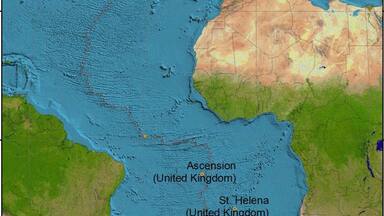
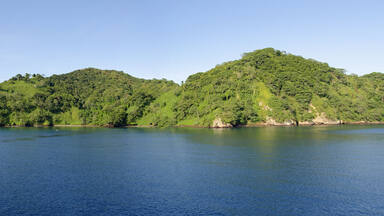
D’une beauté indescriptible, le parc marin national Fernando de Noronha, situé à une distance d’environ 340 km au large de la côte brésilienne, est formé par des pics volcaniques d'une chaîne de montagnes submergée. Près de 70% de l’île principale de Fernando de Noronha, 21 îles et îlots de taille inférieure de l'archipel ainsi que la plupart des eaux adjacentes jusqu’à une profondeur de 50 mètres font partie du bien. La Réserve biologique de l’atol das Rocas, seul atoll de l'Atlantique sud, se trouve à environ 150 km à l’ouest de Fernando de Noronha. Il s’agit d’un récif elliptique comprenant deux petites îles entourées par une réserve marine. Avec ces deux aires protégées, le bien couvre une superficie de 42,270 ha et une zone tampon de 140,713 ha.
Au cœur d’une vaste surface océanique, les îles atlantiques brésiliennes forment une véritable oasis d’eaux fécondes qui sont des lieux de reproduction et de subsistance extrêmement importants pour des thons, requins, tortues et mammifères marins et qui jouent un rôle crucial dans le repeuplement piscicole naturel dans la région. Deux espèces de tortues marines s’y reproduisent: la tortue à écailles et la tortue verte, pour laquelle l’Atol das Rocas est considéré comme le deuxième site de reproduction le plus important du Brésil. Ces îles abritent la plus grande concentration d’oiseaux marins tropicaux de l’Atlantique occidental, et comprennent les seuls exemples de forêt atlantique insulaire et de mangrove uniquement océanique dans l'Atlantique Sud. La Baie des Dauphins (Baía dos Golfinhos) héberge une population exceptionnelle de dauphins résidents et, à marée basse, l’atol das Rocas offre un paysage spectaculaire de lagons et de bassins de marée qui grouillent de poissons et d’une grande diversité de crustacés, d’éponges, de mollusques, de coraux, etc.
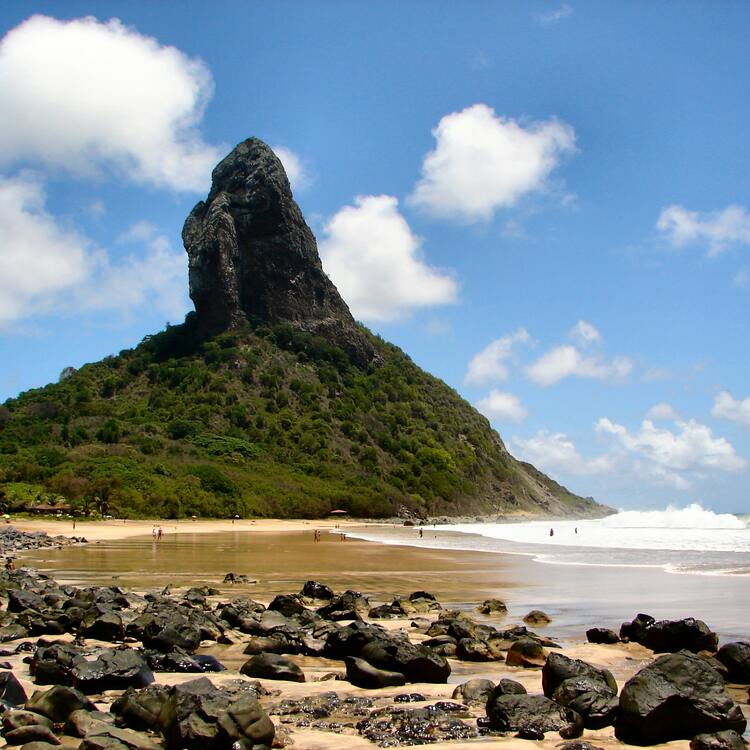
Critère (vii) : La Baie des Dauphins est le seul lieu connu au monde où l’on trouve une si forte population de dauphins résidents. De plus, deux de ses plages, Praia do Sancho et Praia do Leão, ont été élues comme les plus belles du Brésil. L’atol das Rocas présente un paysage marin spectaculaire, surtout à marée basse lorsque le récif exposé qui entoure les lagons et les bassins de marée peu profonds se transforme en aquarium naturel. Les deux sites recèlent aussi de paysages sous-marins exceptionnels reconnus mondialement dans la littérature de plongée spécialisée.
Critère (ix): Les Réserves de Fernando de Noronha et de l’atol das Rocas représentent plus de la moitié des eaux côtières insulaires de l’Atlantique Sud. Ces eaux très productives servent de lieu de nourrissage à des espèces telles que le thon, le marlin, des cétacés, des requins et des tortues marines sur leur voie de migration vers la côte africaine. Oasis de vie marine dans un océan par ailleurs relativement stérile, les îles jouent un rôle central dans le processus de reproduction, de dispersion et de colonisation des organismes marins à l’échelle de tout l'Atlantique tropical austral.
Critère (x): Les Réserves de Fernando de Noronha et de l’atol das Rocas sont des sites clés pour la protection de la diversité biologique et des espèces menacées dans l’Atlantique sud. Constituant une grande proportion de l’habitat insulaire de l’Atlantique sud, le site est essentiel pour le maintien de la diversité biologique marine. Il est important pour la conservation d’espèces menacées de tortues marines, en particulier la tortue à écailles. On y trouve la plus grande concentration d’oiseaux marins tropicaux de l’Atlantique occidental et c’est une Zone d’oiseaux endémiques. Le site présente, en outre, le seul et unique vestige de la forêt atlantique insulaire et la seule mangrove océanique de la région de l'Atlantique sud.
Intégrité
Les éléments terrestres et marins du site sont bien protégés. Les limites du site sont adéquates pour la conservation de la diversité biologique marine, même si le bien est divisé en deux composantes séparées. Sur l’île principale de Fernando de Noronha, tous les habitats terrestres clés font partie du parc et toutes les zones terrestres de l’atol das Rocas se trouvent dans la zone centrale de l’aire protégée.
A Fernando de Noronha, l’écosystème conserve une grande intégrité, malgré le nombre croissant de visiteurs sur l'île et des impacts générés par la présence d'espèces exotiques envahissantes. L’infrastructure et la gestion ont été améliorées pour assurer une meilleure conservation des valeurs de ce site.
Bien que le niveau de préservation des écosystèmes de l’atol das Rocas reste élevé, la surpêche et la présence illégale de bateaux de tourisme constituent les principales menaces pour l’intégrité du site.
Elements requis en matière de protection et de gestion
Le bien dispose d’une protection juridique adéquate, conférée par plusieurs lois et règlements fédéraux et d’État. L´Institut Chico Mendes de Conservation de la Biodiversité (ICMBio), organisme fédéral autonome rattaché au Ministère de l’environnement est chargée de la gestion et de la conservation du site. Le site bénéficie de deux plans de gestion séparés, un pour Fernando de Noronha et l’autre pour l’Atol das Rocas. Ces plans de gestion traitent de questions telles que le tourisme, la recherche, l’éducation environnementale, la protection et le monitoring de la biodiversité. Pour le Parc national marin de Fernando de Noronha, un Plan de développement durable et de gestion de l’écotourisme a été mis en œuvre avec l’appui de la population locale. Il contrôle rigoureusement le développement de l’infrastructure touristique et les visites, et porte aussi sur les secteurs urbanisés situés à l’extérieur du bien. Ce plan tient compte de la capacité de charge de différentes zones au sein du parc et réglemente la navigation et la plongée.
Créée en 1979, la réserve biologique de l’atol das Rocas est interdite d’accès au public et gérée pour la protection d’espèces et pour la recherche. Les liens sous-marins entre les deux composants du bien méritent d’être étudiés. La réserve bénéficie d’une surveillance par la Marine et les Forces aériennes brésiliennes, notamment des activités de pêche et de tourisme.
Pour apporter un soutien financier et renforcer ses activités de gestion de la faune locale, ICMBio a développé deux projets: le Projet Tamar, pour les tortues marines et le projet Spinner Dolphin.
 Découvrez les photos de OUR PLACE the World Heritage Collection